
If you are doing any sort of weight or resistance training, having a superfood powder with protein is needed to support your muscle development and weight loss goals.
Imagine taking the most power packed foods from all regions of the world and integrating them in your diet everyday. That’s what you do when you use a superfood powder.
Very frequently you see articles about plants or vegetables that are so nutritious they are labeled “superfoods,” but for most of us these are very hard to integrate into our diets. We simply aren’t going to run to the store to buy Amla Fruit, Sprouts from Amaran, or many of the ingredients found in these powders. If you could find them, then how would you even integrate them into your diet?
You can get superfood powders that just focus on the nutrition, and some that also include protein as do superfood protein powders. So the choice on which one is right depends on how much protein you are getting in your current diet.
What are Superfoods?
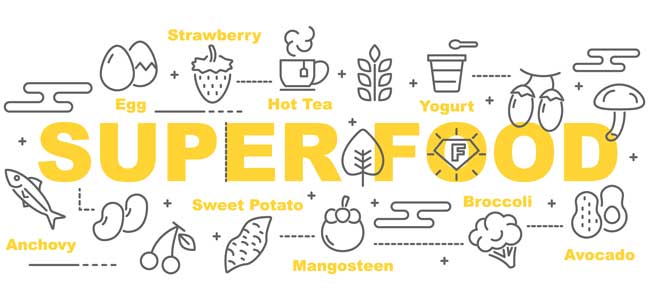
Technically there is no such thing as a superfood. According to Wikipedia, "Superfood is a marketing term for food with supposed health benefits as a result of some part of its nutritional analysis or its overall nutrient density." [1]
The Harvard School of Public Health also says, "There’s no scientifically based or regulated definition for superfood, but generally, a food is promoted to superfood status when it offers high levels of desirable nutrients, is linked to the prevention of a disease, or is believed to offer several simultaneous health benefits beyond its nutritional value." [2]
So while you can consider the term “superfood” to be somewhat of marketing hype, there are definitely underlying truths to the benefits of these foods.
But proper nutrition is not going to come from one or two of these foods. As always, a well-balanced diet is the way of healthy living.
And that is where these superfood powders come in to play. They can give you access to a wider variety of these foods that you otherwise would not have.
The Convenience Factor
Let’s face it; we all know we are supposed to be eating more vegetables. The problems are that we don’t know how to prepare them, keeping fresh veggies is difficult, we don’t have the time to prepare them, and quite frankly we often don’t like them.
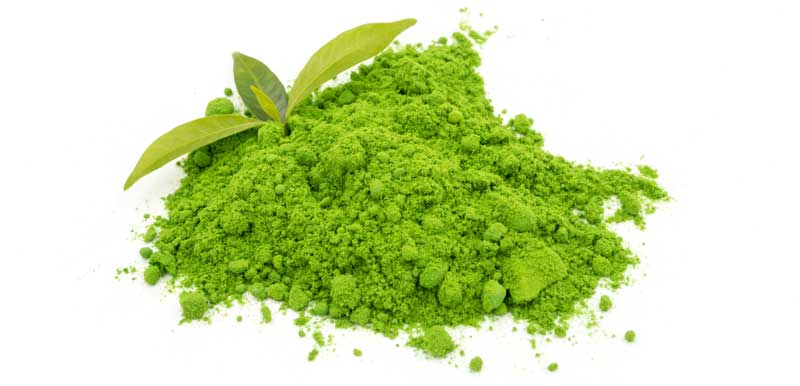
That’s the beauty of these powders. In less than 60 seconds you can get your recommended daily helpings of vegetables in a single scoop or two of powder mixed in to a smoothie.
You can get the powders in various flavors, plus you can mix them with other fruits or veggies to create a delicious smoothie (see our video on one of these).
What to Avoid in Powders
There is simply no need for any of these powders to add toxic things like sugar or artificial sweeteners so make sure to avoid any that add these to their ingredients list.
Something you may want to consider is if the ingredients are organic or not. You will be getting your fruits and vegetables in a highly concentrated form. That means any pesticides or chemicals in the powder are also very concentrated. Buying organic powder eliminates that risk.
For safety it is recommended to buy powders only from companies with NSF or Informed-Choice certification since these agencies test product ingredients for safety and purity.
Problems with Powders
While condensing the nutrients in superfoods down to powder form is a convenient way to get your nutrition. It still does not provide everything you need and is not recommended as your only source of fruits and vegetables.
These powders make a great addition to a smoothie that includes fruits and vegetables, or as one of your sources. Registered dietitian Lori Zanini, creator of For the Love of Diabetes online program. “Greens powders should only be used in addition to a diet that’s still rich in whole plant foods, including fruits and vegetables. Greens powders do not give the ‘green light’ to not eat your vegetables.” [3]
Your body processes supplements differently than it does whole foods. When you eat whole foods you are consuming a whole range of vitamins, minerals, co-factors and enzymes that let your body uses to process the nutrients. If a powder doesn’t have all the same components as a whole food, your body will process it differently. Also you won’t get the same amount of fiber from a powder as you will a whole food. [4]
Protein or No Protein
The decision on whether to pick a superfood powder with protein or not likely comes down to whether you are getting enough protein in your diet already. If you are eating plenty of meat, fish, eggs, or dairy every day, you’re likely getting enough. If you are a vegan, you probably are not.
If you are using your powder in the morning and you don’t eat eggs or meat for breakfast you should go with protein. Studies have shown that a high protein breakfast has been shown to reduce the calories you consume later in the day. [5]
A higher protein breakfast can help you lose weight and belly fat. As you age weight gain is almost always a challenge so getting protein from a lower calorie source like a powder is a good idea.
Conclusion
If you think about it we live in pretty miraculous times right now. Farmers from around the world grow the plants that make up these super foods. Others process the plants so they can be shipped with the nutrition still intact. Then they are shipped across the world for us to gain benefit from them.
This is a luxury that was not available to people a matter of just a few decades ago. Just by purchasing a simple powder and integrating it into our diet, we get the benefits of plants that people thousands of years ago in other parts of the world were using as medicine. Now that ancient knowledge can be spread so effortlessly across the Internet we are able to use that knowledge to create these superfood powders.
Check out our reviews of the top 10 superfood protein powders by clicking on the link below:
Top 10 Best Protein Superfood Powder
Resources:
[1] Superfood: https://en.wikipedia.org/wiki/Superfood
[2] Superfoods or Superhype?: https://www.hsph.harvard.edu/nutritionsource/superfoods/
[3] What Are Greens Powders – and Do You Need Them?: https://health.usnews.com/wellness/food/articles/2017-11-17/what-are-greens-powders-and-do-you-need-them
[4] Health benefits of fruit and vegetables are from additive and synergistic combinations of phytochemicals: https://www.ncbi.nlm.nih.gov/pubmed/12936943
[5] The addition of a protein-rich breakfast and its effects on acute appetite control and food intake in 'breakfast-skipping' adolescents: https://www.ncbi.nlm.nih.gov/pubmed/20125103
List of Superfoods
Note that the benefits listed below in most cases are not verified or proven. We are not claiming any of these to be true. We suggest you do some research for yourself on anything you are interested in.
Superfood | Possible Benefits |
|---|---|
Acai | Neutralize free radicals, boost energy, increase immunity, healthy digestion, boost brain function, cancer fighting, cholesterol levels |
Acerola | Immune system boost, reduce hardening of arteries, cancer prevention, physical endurance, blood clots, and heart disease |
Adzuki | Diabetes risk reduction, improved digestion, weight loss, heart health |
Alfalfa | Kidney support, prostate control, lower blood pressure, arthritis, asthma, diabetes, upset stomach, |
Amla Fruit | Slow aging, increase metabolism, boost immunity, eyesight improvement, bone strengthening, protects liver, prevents graying of hair, increase hair growth, ulcer prevention |
Ashwagandha | Calming for the mind and may prevent Parkinson’s and Alzheimer’s |
Asparagus | Cancer fighting, improved brain function, weight loss, neutralize cell-damaging free radicals |
Banana | Moderate blood sugar, weight loss, improved digestive, heart health, hunger control, kidney health, reduce exercise-related muscle cramps and soreness |
Baobab | Immune system boost, energy, healthy skin, glucose level lowering, digestive health |
Barley Grass | Digestive health, detox, immune boosting, prevent anemia, cancer prevention, cholesterol control, detox |
Bee Pollen | Relieve inflammation, boost liver health, strengthen the immune system, reduce stress, speed up healing |
Beet Root Powder | Blood pressure control, circulation, energy, endurance, better erections |
Beets | Weight loss assistance, brain health, blood pressure control, digestive health, athletic performance enhancement, anti-cancer |
Blackberry | Blood damage protection, protect your body from free radicals, reduce DNA damage, reduced levels of oxidized LDL, lower blood pressure, prevent heart disease, improve brain function |
Broccoli | Benefits digestion, cardiovascular system and immune system, anti-inflammatory, cancer-preventing properties |
Broccoli Extract | Anti-cancer, anti-inflammatory, promotes cellular health, improves cholesterol levels, cardiovascular protection, neuronal protection |
Brussels Sprouts | Cancer prevention, digestive health, keeps blood sugar levels steady, one of the best plant sources of omega-3 fatty acids |
Buckwheat | Improved heart health, reduced blood sugar, cancer fighting, digestive improvements, muscle support |
Cacao/ Cocoa | Stroke reduction, improve blood circulation, heart disease prevention, energy, memory improvement, immune system boost, fat reduction, mood booster, better sleep |
Camu Camu | Protect against free radicals, fight cancer, improve cardiovascular health, weight loss, reduced diabetes, increase liver health, enhance physical performance |
Carrots | Prevention of heart disease and cancer, vision and brain health, liver protection, anti-aging benefits, anti-inflammation, good skin and teeth |
Cauliflower | Reduced risk of heart disease and cancer, boost immune health, prevent constipation |
Celery | Benefits for skin, liver, eye and cognitive health, lower blood pressure and cholesterol, penis health |
Chia Seeds | Free radical fighting, hunger control, lower heart disease chances, bone health, lower blood sugar, inflammation reduction, artery plaque reduction |
Cinnamon | Blood sugar reduction, heart disease reduction, anti-inflammatory, cancer prevention, infection fighting |
Coconut | Increase fat burning, hunger control, cholesterol control, hair, skin, nails improvement, |
Collards | Cancer prevention, cardiovascular health, digestive system improvements, lower LDL, reduce inflammation |
Concentrated Royal Jelly | Reduce heart disease, skin repair, lower blood pressure, regulated blood sugar levels |
Corob | Cancer prevention, blood sugar control, weight loss, cholesterol control, diarrhea control, better digestion |
Cranberry | Prevent urinary tract infection, aid digestion, reduce bad cholesterol, prevent gum disease, boost immune system |
Echinacea | Help your immune system combat infections and viruses |
Flax | Reduction in heart disease, cancer, stroke, and diabetes, high in Omega-3 essential fatty acids, blood pressure reduction, cancer protection |
Garbanzo Beans | Lower blood glucose levels, bone health, lower blood pressure, heart health, cancer prevention, promote regularity |
Garlic | Lower blood pressure and cholesterol, possible cancer fighting benefits, improve immune system |
Ginger | Lessen nausea, anti-inflammatory, lower risk of heart disease, dementia and some cancers |
Green Onion | Support immune health, regulate blood sugar, anti-inflammatory, prevent cancer, protect from peptic ulcers |
Green Pepper | Healthy eyes, anemia prevention, reduce free radical damage |
Green Tea | Anti-inflammatory, reduce chances of heart disease, cancer, diabetes, weight loss |
Guava | Weight loss, heart and digestive system health, lower blood sugar levels, anticancer effect, boost immunity |
Green Tea | Anti-inflammatory, reduce chances of heart disease, cancer, diabetes, weight loss |
Hemp | Reduced risk of heart disease, skin support, weight and blood sugar management, appetite reduction |
Holy Basil | Reduce joint pain, lower stress and anxiety, increase endurance, reduced sexual problems, infection protection, lower blood sugar |
Kale | Lower LDL cholesterol levels, maintain calcium balance for bones, eye health, detox, appetite control |
Lemon Extracts | Prevent kidney stones, anemia protection, reduce cancer risk, digestive system health |
Lentils | Energy increase, heart health, cholesterol control, weight loss, glucose level control |
Lucuma | Inflammation reduction, immune system boost, lower blood pressure, and protect against some forms of cancer |
Maca | Reduce blood pressure and cholesterol, energy, detox, free radical fighting, skin benefits, relaxation and focus |
Mango | Gut health, clear skin, eye health, immune boost, weight loss, digestion, cancer prevention |
Maqui Berry | Reduce inflammation, protect against heart disease, blood sugar control, eye health, healthy gut |
Matcha | Reduce blood pressure and cholesterol, energy, detox, free radical fighting, skin benefits, relaxation and focus |
Milk Thistle | Heart and liver benefits, cholesterol level support, reduce age related decline in brain function |
Millet | Aids in digestion, prevents diabetes, controls cholesterol, heart protection, body detoxify, asthma prevention |
Moringa | Aids in digestion, prevents diabetes, controls cholesterol, heart protection, body detoxify, asthma prevention |
Oat grass | Improved the cognitive abilities, lower anxiety |
Parsley | Heart and kidney health, fight inflammation, reduce cancer risk |
Pea Protein | Muscle growth, weight loss, heart health, blood sugar regulation |
Pineapple | Reduce age related macular degeneration, asthma prevent, blood pressure, cancer and diabetes prevention, improved digestion, reduce swelling, bruising, and healing time, heart and skin health |
Probiotic Bacteria | Digestive system health |
Pumpkin | Reduce risk of chronic diseases, protect eyesight, promote weight loss, curb cancer risk, hypertension lessening, sound sleep |
Quinona | Anti-inflammatory, diabetes control, cholesterol management, heart improvements, longevity |
Raspberry | Prevent brain aging, cancer protection, protects against macular degeneration, improved digestion, anti-inflammatory properties |
Red Cabbage | Good digestion, healthy heart, blood pressure control, cholesterol control, inflammation control |
Rice Protein | Muscle repair, weight management, improve liver function, cholesterol regulation |
Rosemary | Prevent brain aging, cancer protection, protects against macular degeneration, improved digestion, anti-inflammatory properties |
Schisandra | Strengthen liver function and improve memory skills |
Sesame | Cancer prevention, blood pressure reduction, diabetes prevention, bone strength, DNA damage protection |
Spinach | Diabetes management, lower risk of cancer, improve bone health, maintaining muscle and nerve function, asthma prevention, blood pressure management, healthy hair and skin |
Spirulina | Inflammation control, cholesterol control, anti-cancer properties, blood pressure control |
Sprouts From Amaranth | Bone health, less hair loss and graying, heart and cholesterol management benefits |
Strawberry | Support immune system, blood sugar regulation, antimicrobial effects, heart health, weight management |
Sunflower | Anti-inflammatory, cardiovascular benefits, phytosterols lower cholesterol, energy, healthy bones |
Tart Cherry | Anti-inflammatory, reduce chances of heart disease, cancer, diabetes, weight loss |
Tomato | Heart health, improve vision, boost digestive health, diabetes management, skin health, protect against cancer |
Tumeric/Curcumin | Reduce inflammation, prevent and reduce cancer tumors, wound healing |
Wheatgrass | Free radical fighting, cholesterol improvement, kill cancer cells, blood sugar regulation, anti-inflammatory, weight loss |

Tim Bruxvoort is founder of FitManPlan.com whose mission it is to help men over 40 live the best version of their lives through fitness, nutrition, pain management, and improved life skills. He is a long-time, aging entrepreneur and health enthusiast who has experienced many of the challenges currently being faced by other men over 40 and his goal is to deliver solutions to help them achieve their fitness and health goals.